





-
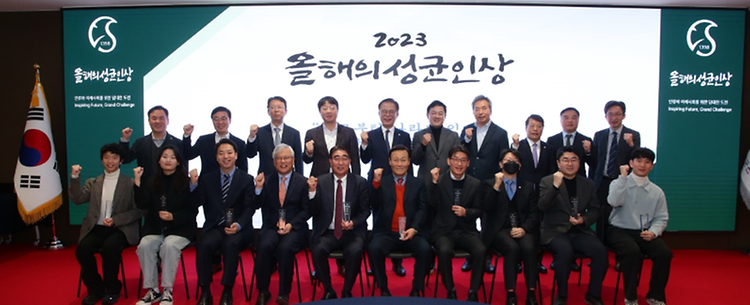
- 2023 Sungkyun Awards Ceremony Held
- 2023 Sungkyun Awards Ceremony Held -College of Engineering Professor Jun-young Lee, Strategic Planning Team, Sungkyun Broadcasting Station, and Alumni Gyu-yong Lee Selected for Grand Prize On December 15th, our university held the 2023 Sungkyun Awards ceremony at the International Hall on the Humanities and Social Sciences campus. Established in 1997, the 'Sungkyun of the Year' award, based on the educational philosophy of self-cultivation and the practice of benevolence, righteousness, propriety, and wisdom, aims to reward professors, staff, and students who have made significant contributions to the development of the school in various fields. The award selects individuals or groups who, through outstanding accomplishments and unique contributions, have elevated the honor of Sungkyunkwan University and become exemplary figures for the Sungkyun family. This year, a total of 10 individuals (teams) received awards in four categories. ▲ In the Education and Achievement category, Professor Jun-young Lee from the Department of Chemical Engineering and Polymer Science in the College of Engineering received the Grand Prize, Professor Hee-ok Lee from the Department of Political Science and Diplomacy in the College of Social Sciences received the Excellence Award, and Professor Eun-seok Ryu from the Department of Computer Education in the College of Education received the Outstanding Award. ▲In the Administrative category, the Strategic Planning Team received the Grand Prize, ▲In the Student category, the University Press Office's Sungkyun Broadcasting Station (SUBS) received the Grand Prize, ▲the Freshman Guide (FG) from the Undergraduate School received the Excellence Award, and Min-gu Lee, a student in the Department of Computer Education in the College of Education, received the Outstanding Award In a special category, ▲the Grand Prize was awarded to Chairman Gyu-yong Lee (Law '72) of Najain Co., Ltd., who donated 100 billion won to Sungkyunkwan University with the wish for the country's development through sustainable policy research and talent cultivation. President Ji-beom Yoo, who attended the awards ceremony, congratulated all the winners, expressing sincere gratitude for their efforts. He stated, "We will continue to make bold challenges for the benefit of humanity and future society, striving to become a globally respected university."
-
- 작성일 2023-12-27
- 조회수 437
-
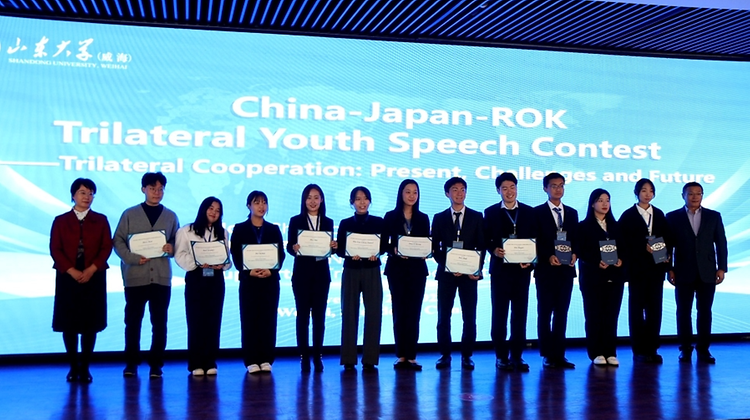
- Sungkyunkwan University Team Wins Award for Best Stage Manner at Korea-China-Japan Youth Speech Contest
- Sungkyunkwan University Team Wins Award for Best Stage Manner at Korea-China-Japan Youth Speech Contest Sungkyunkwan University, Waseda University in Japan, and Shandong University hosted the Korea-China-Japan Youth Speech Contest on the Weihai campus of Shandong University from November 24th to 27th, with the theme 'Korea-China-Japan Cooperation: Reality, Challenges, and Future.' In Korea, the Sungkyun Institute of China Studies (Director Hee-ok Lee) organized the conference, sponsored by the Korea-China-Japan Cooperation Office (TCS). Five representatives from Korea participated in the English-language lecture competition, and Sungkyunkwan University received the 'Award for Best Stage Manner.' Additionally, Young-kyun Choi (majoring in Political Science and Diplomacy, Class of '20) was honored as the best speaker. The Korea-China-Japan Youth Speech Contest began in 2022 and has become a platform for students from the three countries to exchange ideas. TCS also organized cultural experiences and a Weihai tour program alongside the lecture competition, providing Korean and Japanese students with opportunities to experience Chinese history and culture. Through this competition, students from Korea, China, and Japan not only gained awareness of each other's cultural differences but also forged new paths for exchange and collaboration. The Shandong University Academy of Northeast Asian Studies (Director Zhang Winling), which hosted the event, emphasized, 'Youth exchange is crucial for the future of Korea-China-Japan cooperation, and such exchanges should continue.' Meanwhile, the Sungkyun Institute of China Studies has been actively promoting quantum exchanges with Waseda University's Institute for Advanced Studies on Contemporary China and Shandong University's Academy of Northeast Asian Studies. They expressed their intention to explore a new platform for expanding Korea-China-Japan exchange and cooperation in the wake of this conference."
-
- 작성일 2023-12-05
- 조회수 461
-
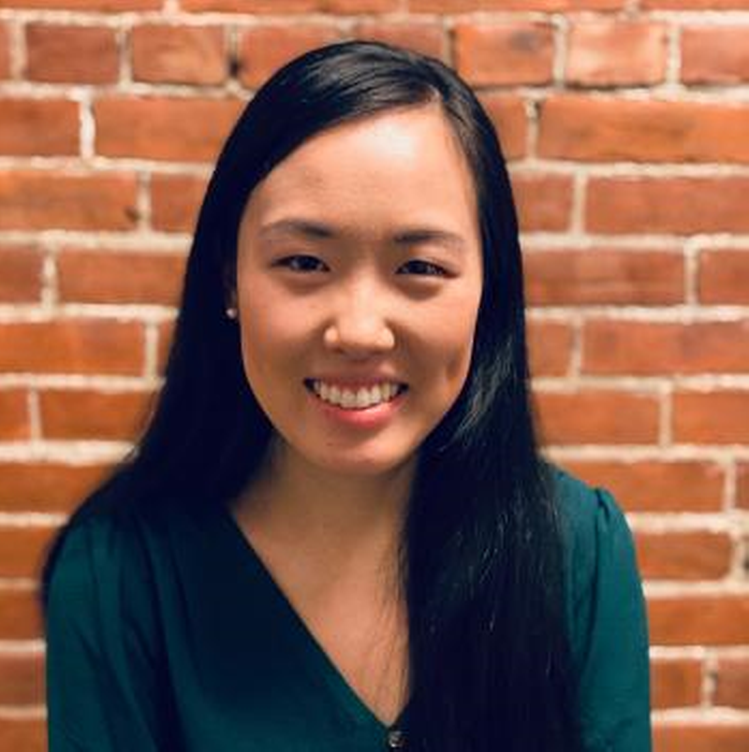
- Special Lecture by Dr. Melanie Hom
-
Global classes invited by professors from overseas prestigious universities have been held since this year to provide high-quality classes created by teachers from overseas prestigious universities to students to improve the level of education and establish a global learning platform. 1. Lecturer: Dr. Melanie Hom - Professor of Clinical Psychology, Stanford University, USA - Attending psychologist in the Anxiety and Depression and Depression Adult Psychological Treatment (ADAPT) and Stanford Mental Health for Asians Research and Treatment (SMHART) Clinic - Fellowship, McLean Hospital/Harvard Medical School (2020-2021) - Research interests include enhancing help-seeking and treatment engagement among individuals at elevated suicide risks 2. Contents: - Understanding Suicide Prevention - Theories on suicide and suicide prevention - Prevention strategies for individuals with sucidal ideation 3. Host: College of Social Sciences, Psychology: (Prof. Sunkyung Yoon
Course) 4. Time and Place - Time: 2023. 11. 8.(Wed) 10:30~11:30(KST) - Time: 2023. 11. 15.(Wed) 10:30~11:30(KST) - Place: Live Virtual Studio of Business School Hall, Humanities and Social Sciences Campus 5. Zoom https://us02web.zoom.us/j/84696154385?pwd=TWlzek01eTUxQWpLNTd6YVZ3dU1uQT09 Password: 951746 6. College of Social Sciences, Administration Office (02-760-0935): Please turn On your Video and turn Off your Mic. -
- 작성일 2023-11-13
- 조회수 500
-
- Social Innovation Convergence Major-Consumer Studies Invited Special Lecture by Overseas Scholars
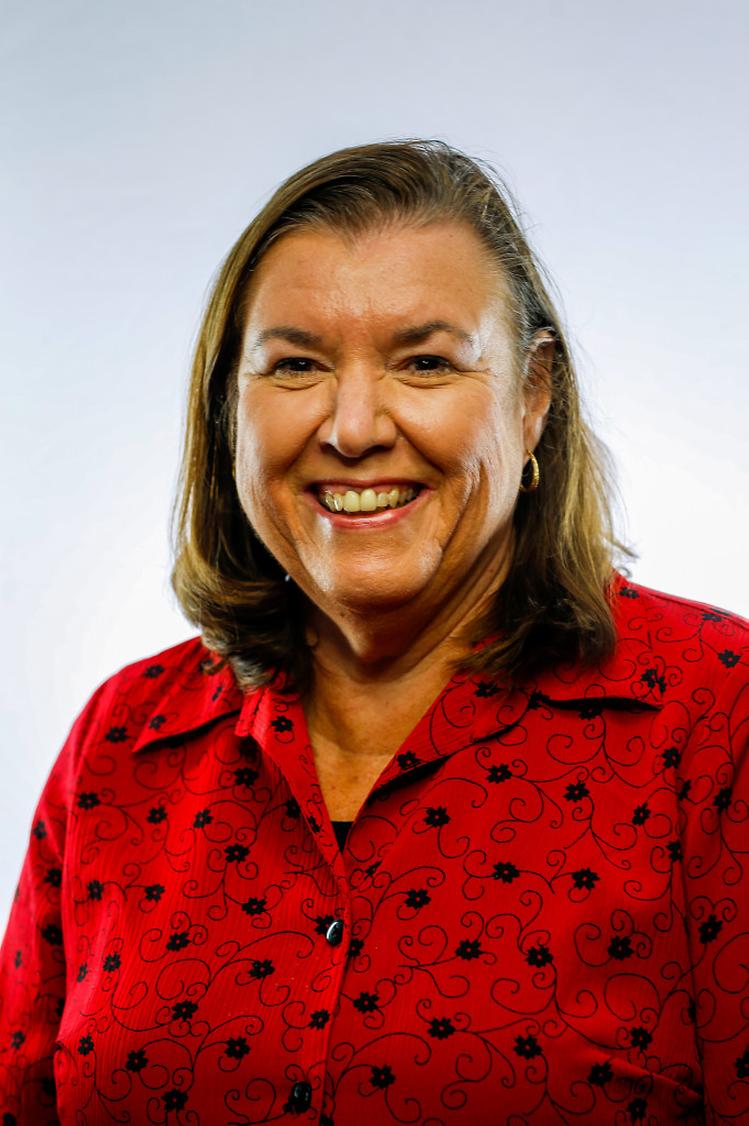
- Social Innovation Convergence Major-Consumer Studies Invited Special Lecture by Overseas Scholars On October 20 (Friday), the Social Innovation Convergence Major and the Consumer Department invited Brenda Cude, an honorary professor/chair professor of the Consumer Department at the University of Georgia, to complete a special lecture on non-face-to-face overseas studies. Professor Brenda Cude served as president of the National Consumer Association and editor-in-chief of the Journal of Consumer Affairs (SSCI).He has conducted a number of studies on financial consumer protection and financial education, and has contributed to the establishment of a financial consumer protection system by serving as board members and advisors at the National Association of Insurance Commissioners, the Consumer Financial Protection Bureau, and the Financial Industry Regulatory Authority. The special lecture was held under the theme of "Metrics Matter: What is Financial Literacy?" and our university professors, postdoctoral researchers, graduate students, and undergraduate students attended online.The student who participated in the special lecture said, "As a researcher in the field of social science as well as financial education, I learned about the preparation process for publishing papers in SSCI journals." Social Innovation Convergence Major and Consumer Department will continue to provide various education, special lectures, and joint research programs to build a global research network.
-
- 작성일 2023-11-02
- 조회수 576
-
- College of Social Sciences, 19th Repair Forum Completion
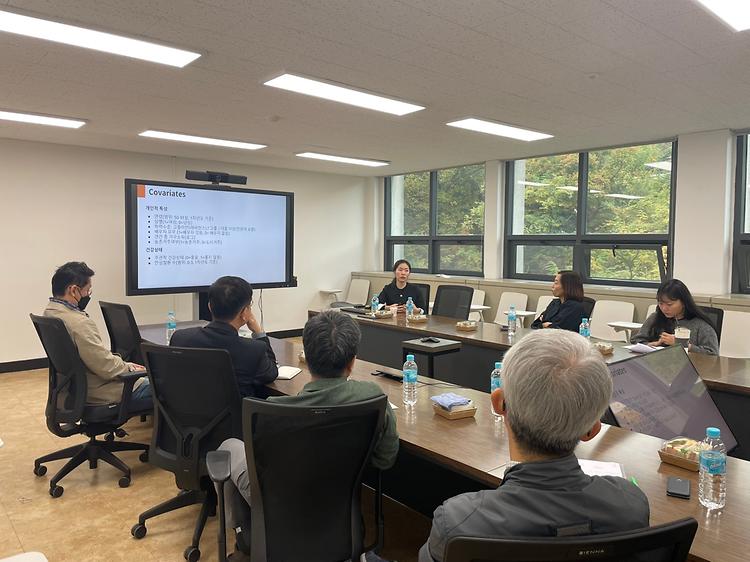
- College of Social Sciences, 19th Repair Forum Completion - Professor Hae-na of Sociology discusses the negative effects of ageism prevalent in Korea and its solutions. On November 1st (Wednesday), the College of Social Sciences held the 19th Repair Forum in the conference room of the Social Science Research Institute at the Daffodil Hall of the Humanities and Social Sciences Campus. At the forum, Professor Lee Hae-na of the Department of Sociology gave a presentation on "Inequality in Health with Elderly People Who Have No choice but to work," and a number of professors and researchers from social science universities, including Kim Geun-se, president of the College of Social Sciences, attended to discuss the negative effects of ageism prevalent in Korea and its solutions. Since the first semester of 2021, the Institute of Social Sciences (Director: Choi Hoon-seok, Professor of Psychology) has held a monthly repair forum to share the outstanding academic achievements of teachers from the College of Social Sciences under the big theme of "community and social science" and to think about solutions to major social problems in Korea together. In the second semester of 2023, this forum will continue to be held to promote communication and exchange among college members, create a foundation for the formation of a sustainable academic community and discover common research topics, focusing on academic presentations by middle and emerging researchers at social science universities.
-
- 작성일 2023-11-02
- 조회수 411
-
-
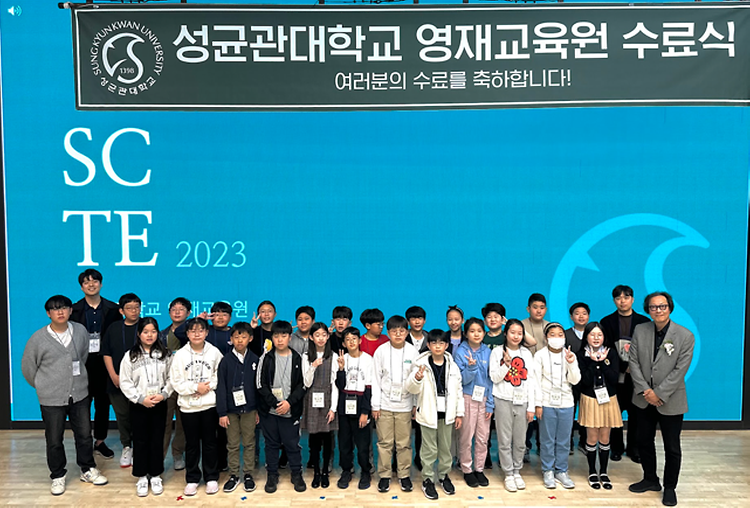
- The Gifted Education Center completed the completion ceremony for the 2023 school year.
- The Gifted Education Center completed the completion ceremony for the 2023 school year. On October 21 (Saturday), the Korean University's Gifted Education Center (Director Choi In-soo, Professor of Children and Youth) held a completion ceremony for the 2023 Gifted Education Center at the Management Hall of the Humanities and Social Sciences Campus.The completion ceremony began with a congratulatory greeting from Kim Jae-hyun, vice president of the Humanities and Social Sciences Campus, with a total of 250 students, parents, management, and instructors attending, and a lecture to parents by Ko Ji-wan, dean of the College of Education, was also organized in a special order. A total of 80 students (60 elementary school and 20 middle school students) from the 4th grade to the 2nd grade of middle school have studied global future topics (artificial intelligence and creative problem solving, bio health, artificial intelligence and autonomous vehicles, renewable energy, and microplastics) in combination with professional instructors over the past year and held an exhibition to announce the results with the completion ceremony.In particular, it produced innovative results such as the creation of a smart farm research complex using ▲ ICT technology ▲ development of microplastic collection devices using artificial intelligence drones ▲ design of energy generation roads using solar power generators ▲ development of chatbots to improve the physical and psychological health of the elderly. The gifted education center cooperated with various institutions inside and outside the school to foster Renaissance creative convergence talents. In particular, the Data Science Education Center (Director Kim Jae-hyun, Vice President of the Center) received software and artificial intelligence convergence capabilities, the Sungkyun Personality Education Center (Professor Lee Chun-seung, Center Director) received advice and professional manpower in developing creative convergence curriculum such as smart farm and future car design from VR specialized institutions. Along with freshmen who have penetrated high competition rates in 2024, the Gifted Education Center will faithfully play its role as Korea's leading convergence gifted education institution.
-
- 작성일 2023-11-02
- 조회수 343
-
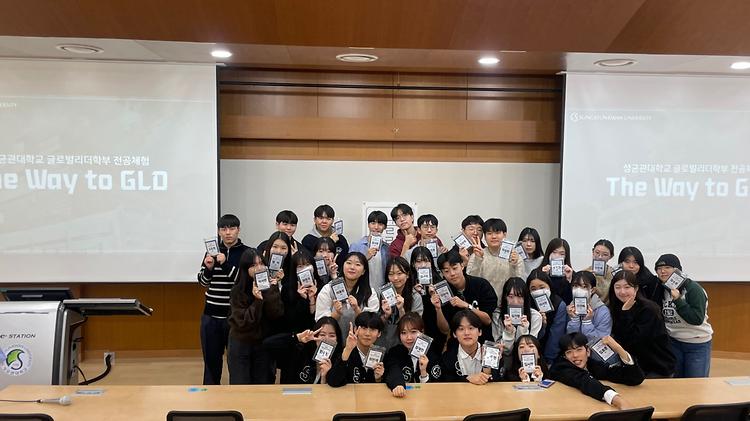
- Gleemi, Public Relations Ambassador of the Faculty of Global Leaders, completed
- Gleemi, Public Relations Ambassador of the Faculty of Global Leaders, completed "The Major Experience of the Faculty of Global Leaders in the Second Half of 2023." Promotional Ambassador of the Faculty of Global Leaders Alimi (hereinafter referred to as Gleemi) conducted the "Global Leaders Department Major Experience in the Second Half of 2023" program for first and second graders in high school on October 28 and 29. In the program, six Glimi students attending Sungkyunkwan University's Faculty of Global Leaders provided high school students with information on their majors in the Faculty of Global Leaders and provided mentoring on their studies and careers. In the second half of 2023, the major experience of the Global Leadership Department was introduced to the undergraduate department, recreation, major experience, campus tour, and mentoring. In the major experience session, I experienced what I learned in the Legal Track of the Faculty of Global Leaders through a legal experience program related to inheritance law, and spent time discussing the re- and revision of the law.Furthermore, Kim Ik-hwi of the Department of Global Leaders, who passed the 67th Administrative Examination, and Jin Ji-young of the 18th, were invited to listen to lectures on policy studies tracks and their careers. In addition, through the Sungkyunkwan University Humanities and Social Sciences Campus Tour Program, students' willingness to go to school was encouraged, and the mentoring session provided information and advice to high school students that would help them prepare for the SAT.
-
- 작성일 2023-11-01
- 조회수 278
-
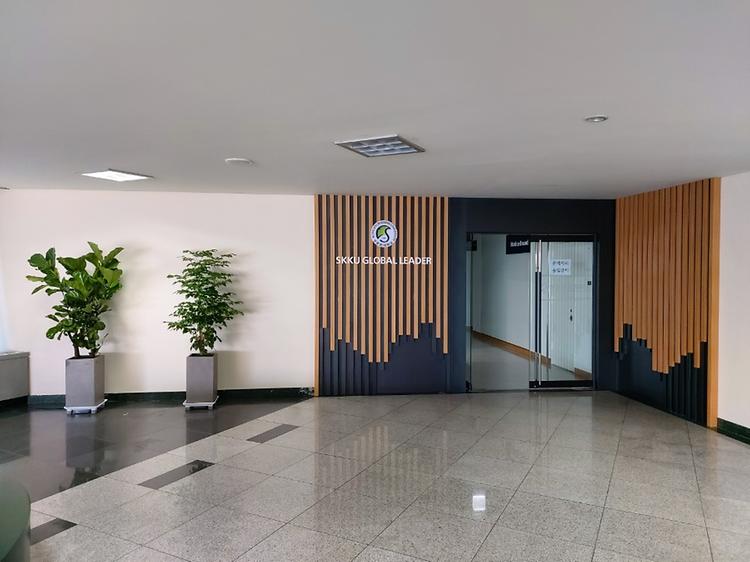
- Global leadership department produces the largest number of successful applicants in history at the single department le
- Global leadership department produces the largest number of successful applicants in history at the single department level. The Faculty of Global Leaders (Director Moon Byung-geol) announced that it produced eight final successful applicants for the 2023 level 5 public recruitment administration exam.This is the largest number of people since the opening of the undergraduate school and the largest ever entry into public office at the level of a single department at our university, which is considered to have further expanded the foundation for talented people to actively contribute to the future administrative policy field. The Department of Global Leaders presented new students with public officials suitable for the times through classes on understanding global leadership, and later supported students to enter public offices through customized curriculum composition if they wanted to enter public offices through administrative exams.In addition, students' examination life was supported through systematic close support in the process of one-on-one interviews with the head of the faculty, mentoring projects with seniors and juniors, and essay writing and interviews. This process laid the foundation for fostering public officials who can contribute to society successfully beyond entering public office through discriminatory and specialized support, along with a clear understanding of public office for undergraduate students, and based on this, it produced a total of 28 successful applicants for the administrative exam in the past five years, making it the largest public office in the school. Moon Byung-gul, head of the Global Leadership Department, said, "This achievement goes beyond the quantitative growth of the undergraduate department and showed the opportunity for the undergraduate department to take it to the next level," adding, "This fruit is a combination of the school authorities' dedicated support, the affection of seniors who are already in public office, a systematic system including Yang Hyun-kwan, and above all, the efforts of individual students." The Faculty of Global Leaders will continue to help undergraduate students advance into various public sectors, including public offices, through systematic support and effective networking, and schools and undergraduate departments will provide support at any time.
-
- 작성일 2023-10-25
- 조회수 282
-
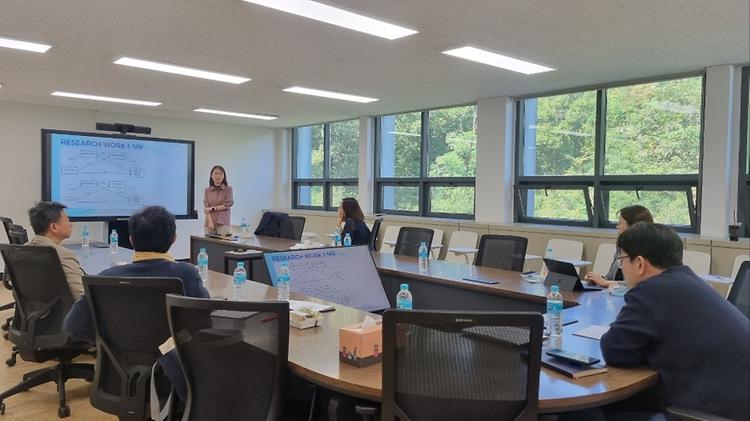
- 18th Repair Forum, College of Social Sciences
- 18th Repair Forum, College of Social Sciences On October 11 (Wednesday), the University of Social Sciences held the 18th Repair Forum in the conference room of the Social Science Research Institute at the Daffodil Hall of the Humanities and Social Sciences Campus. At the forum, Professor Lee Ji-young of the Department of Media Communication presented "Emerging Media Effects and False Information in Health Context," and Kim Geun-se, president of the College of Social Sciences, and other professors and researchers from the College of Social Sciences attended to discuss the impact of media technology in the process of easily producing and spreading health-related false information through the media and digital intervention measures to promote health behavior. Since the first semester of 2021, the Institute of Social Sciences (Director Choi Hoon-seok, Professor of Psychology) has held a monthly repair forum to share the outstanding academic achievements of teachers from the College of Social Sciences under the big theme of "community and social science" and to think about solutions to major social problems in Korea together. In the second semester of 2023, this forum will continue to be held to promote communication and exchange among college members, create a foundation for the formation of a sustainable academic community and discover common research topics, focusing on academic presentations by middle and emerging researchers at social science universities.
-
- 작성일 2023-10-19
- 조회수 395